The best time for neutering pets
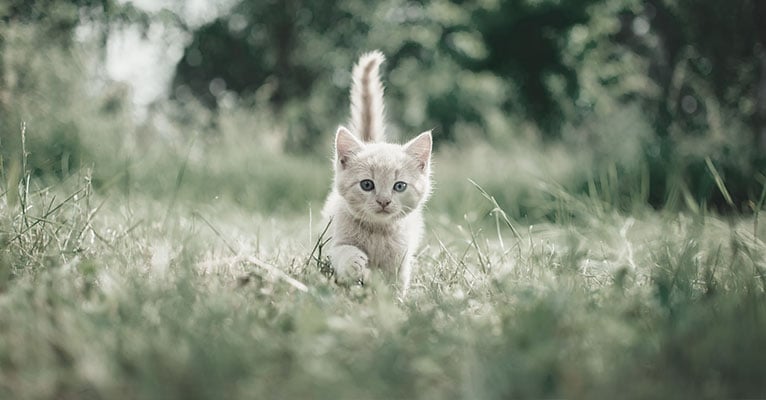
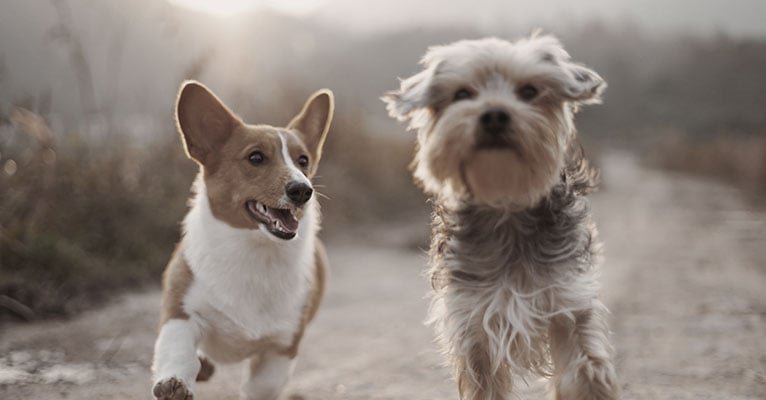
Each animal is different, so we recommend discussing the best time for neutering in more detail with us. The best time can depend on a range of factors such as their breed, size, and sex. However, dogs and cats can be neutered from as early as 3 months.
How much does neutering cost?
Our prices for dog or cat spaying range from £175 to £700. This price includes pre-surgery consultation, the operation itself, painkillers, a cone for your pet, and suture removal post-operation.
The prices for castrating your male cat or dog range from £145 to £400. Similarly, to our spaying procedure, the price for castration includes a pre-surgery consultation, the operation, a cone for your pet, painkillers for after the procedure and suture removal post-operation.
How long does neutering surgery take?
For male dogs and cats, neutering surgery is usually a very quick process, generally taking no more than 30 minutes.
For female cats, the spaying surgery usually takes the same amount of time. For female dogs, the surgery can take longer depending on the size of the breed. For example, in the case of larger dogs, the surgery can take up to 90 minutes.
How should I care for my pet after neutering?
For the first 24 hours after the neutering procedure, keep your pet in a quiet, warm space that allows them to rest and recover.
Then for the next 10 – 14 days it is crucial to restrict any running or jumping, prevent them from licking the wound and monitor the wound daily for any signs of swelling or redness.
How long does it take for my pet to recover after neutering?
While each pet is different, a typical recovery time from neutering surgery is within 7 to 14 days.
Will my pet gain weight after being neutered?
After being neutered, pets are at a higher risk of gaining weight due to hormonal changes which slow their metabolism. However, the surgery itself doesn’t cause weight gain.
Deciding to neuter your pet or not is, of course, a personal decision for you as the owner of your pet. Our role as experienced veterinary professionals is to provide all the relevant information and options available to you.
We would be more than happy to discuss neutering your dog or cat with you in more detail over the phone. Some cases may also need a visit to our practice so that we can examine your pet and give you the best possible advice.
If you are interested in neutering your pet, contact us for more information or book a consultation online.